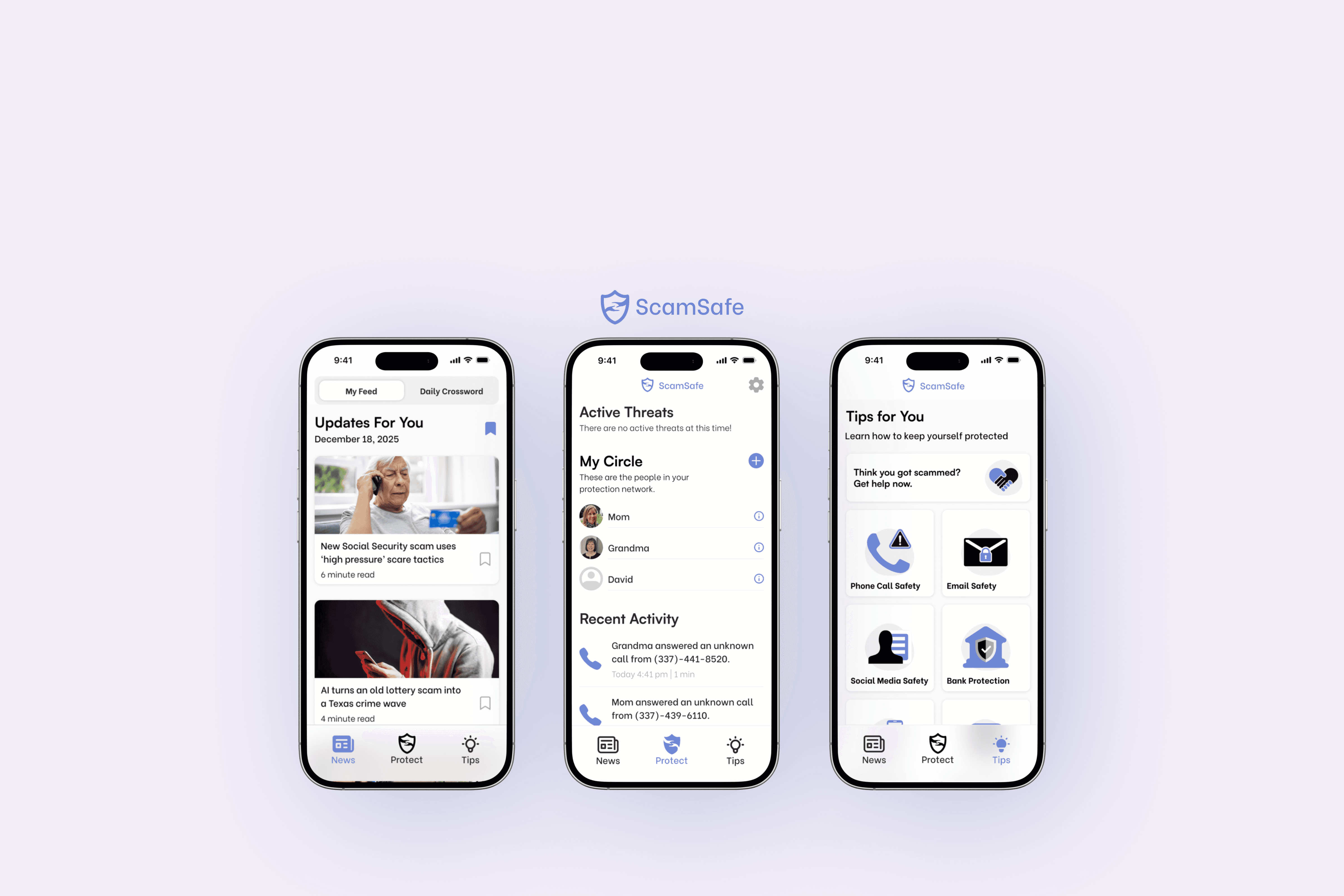
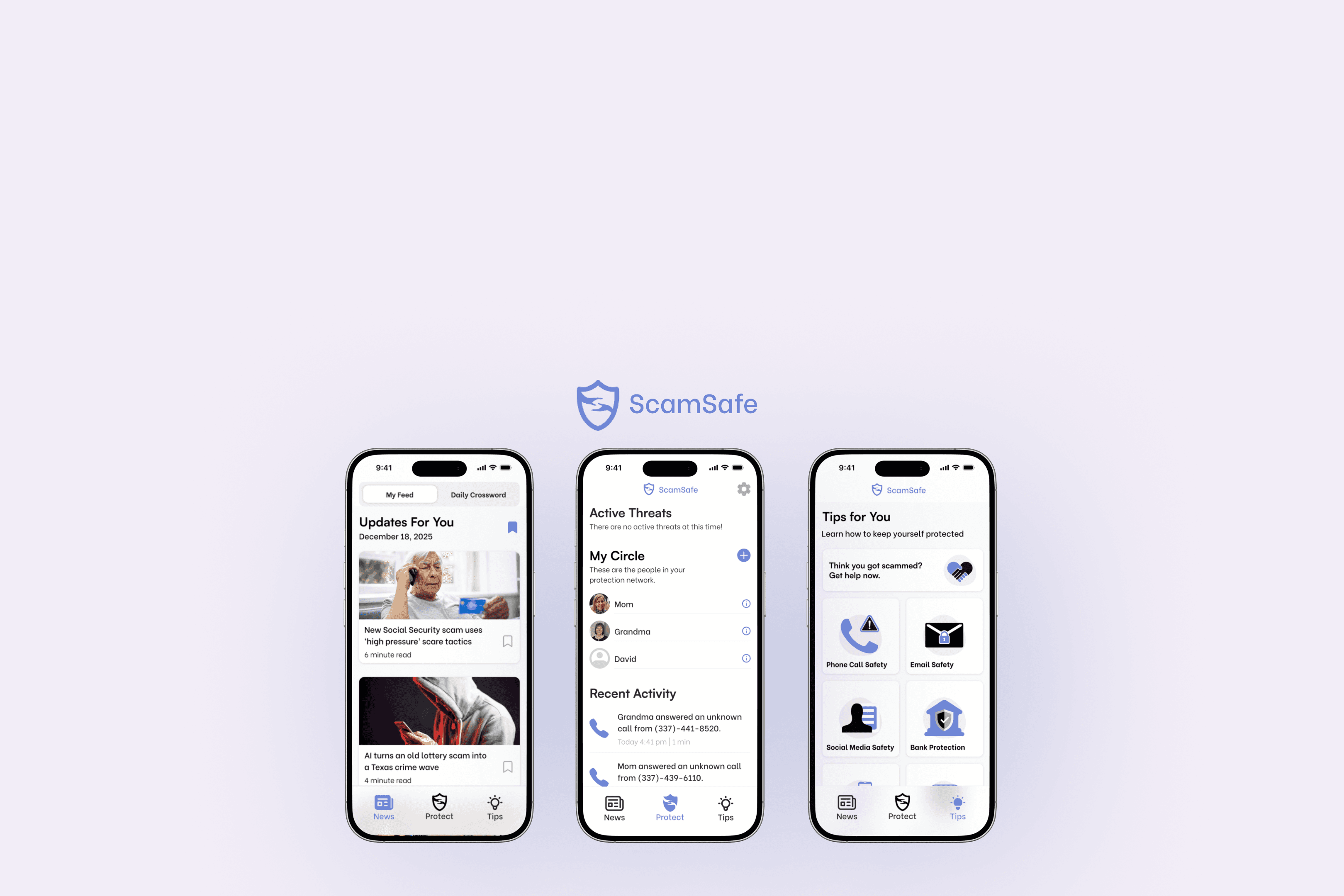
ScamSafe
A new app designed to protect older adults from digital scams
ROLE
Researcher + Designer
.
TIMELINE
August -September 2025
.
TEAM
Ashlyn McClendon, Mandy Lin, Mili Parikh
.
SKILLS
UX Research, UX Design, Usability Testing
OVERVIEW
We designed an app that protects older adults from digital scams using a novel approach we call 'Human Factor Authentication'
As a team of 3 user researchers + designers, we conducted user research and designed a novel system over 28 weeks that takes harnesses the trust of loved ones to prevent scams.
User Research
Conducting 4 user research methods with a total sample of over 20 unique scam victims and anonymous scammers
Prototyping & Testing
Going wide in ideation based on design implications from research and rapidly testing concepts with users.
Iterating with Feedback
Continuously iterating on concepts and validating product decisions with experts and users alike.
PROBLEM
Older adults lost over $700M to digital scams in 2024 alone, and the losses keep rising
Scams are surging, and older adults are among the most vulnerable groups due to social isolation, lower digital literacy, and a general tendency to trust others. Current solutions are often blocked by paywalls or are ineffective at empowering users who lack technical confidence.
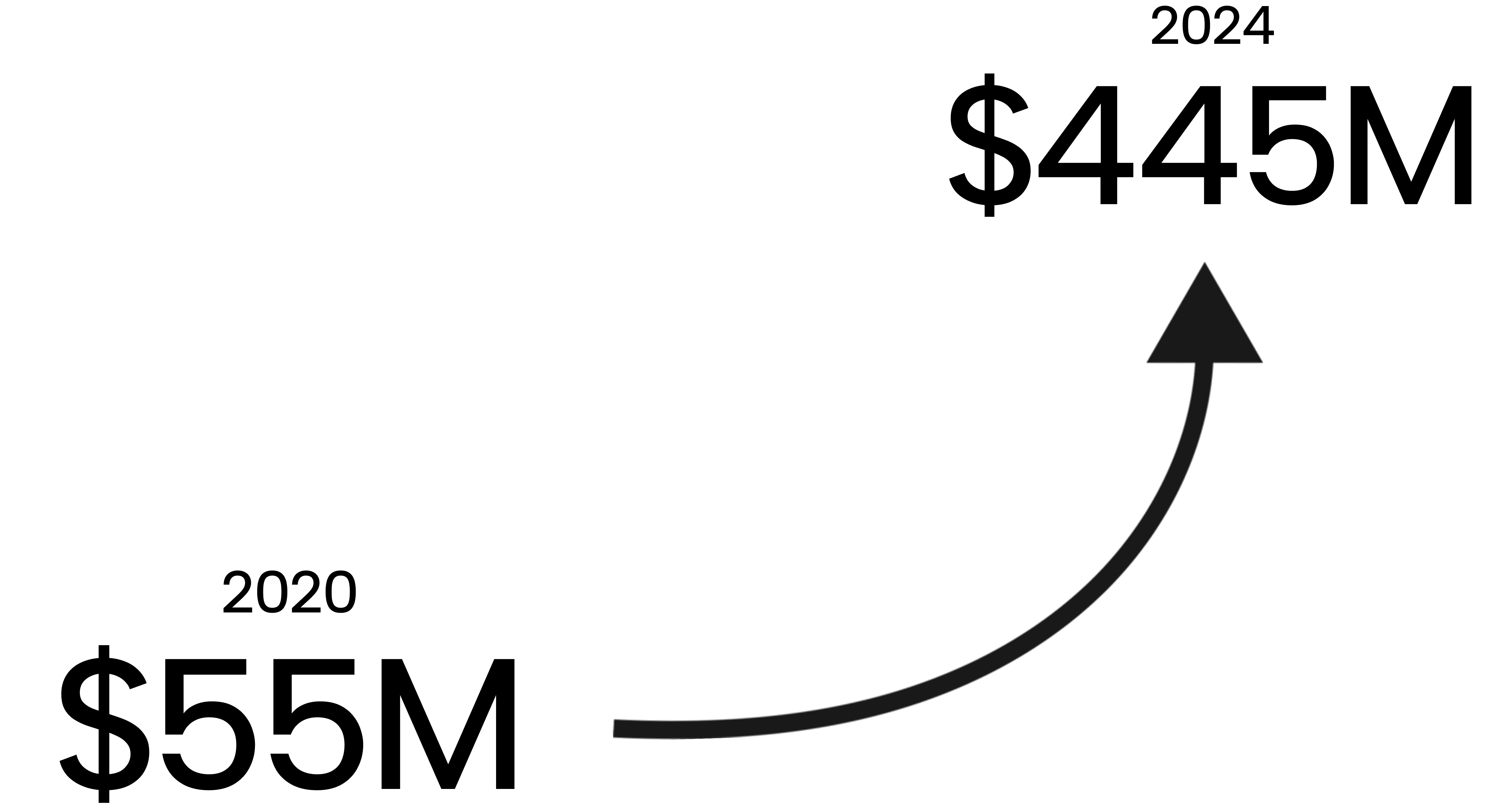
For older adults (60+) who lost $100k or more, losses increased by 800% since 2020.
According to Tamut et. al (2024) older adults are the most vulnerable age group due to 3 main reasons:

Older adults are disproportionately affected by online scams. Their victimization and financial losses are increasing each year as scam tactics evolve.
So we asked ourselves,
How might we design an accessible solution that addresses the emotional, educational, and technical needs of older adults to prevent them from being scammed?
SOLUTION
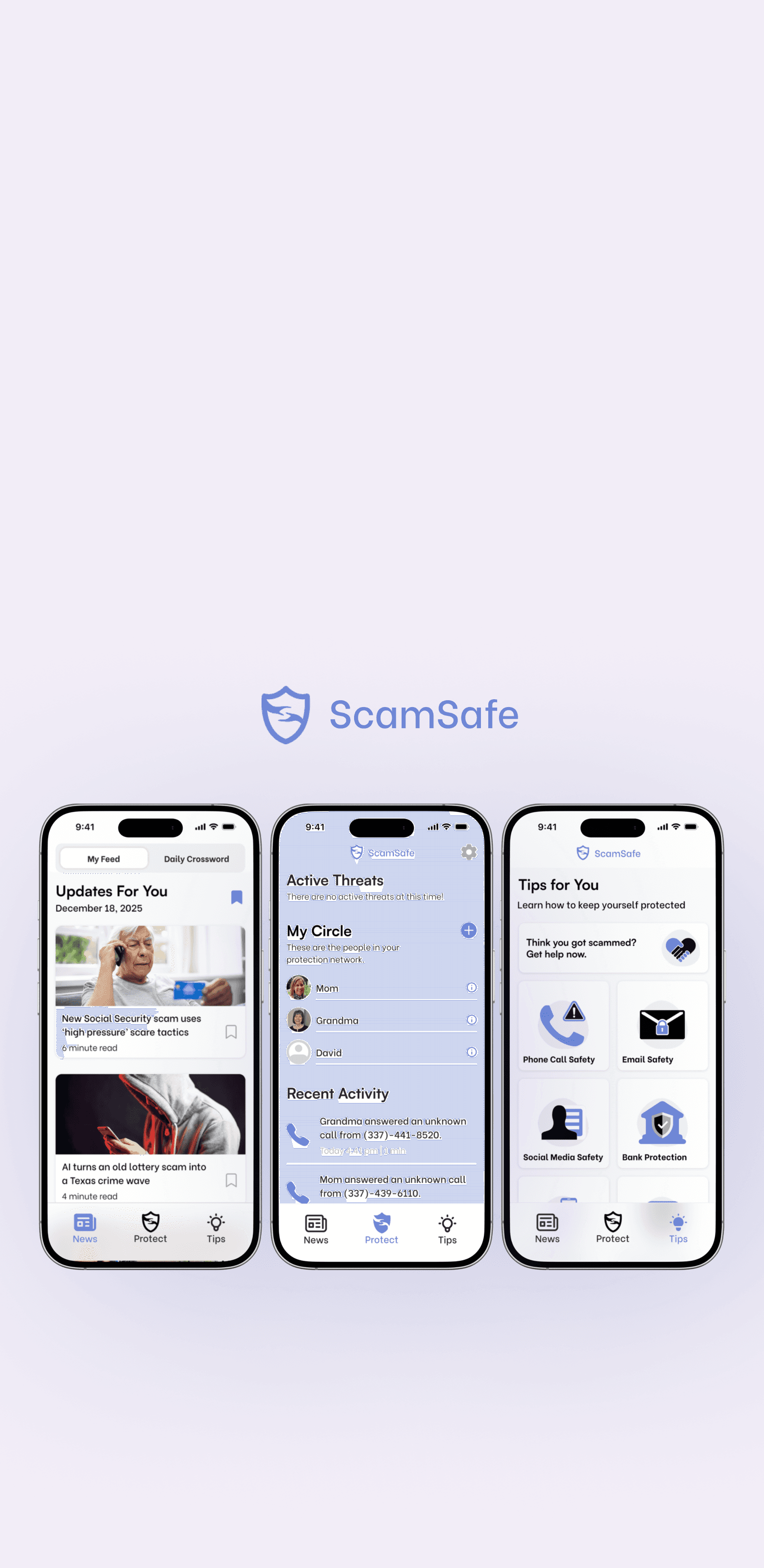
A holistic app called ScamSafe that prevents, educates about, and actively stops scam attempts
The result of around 4 months of UX research and design was a new app that fills in all the user needs for our target users of ages 60 and above while addressing accessibility, avoiding friction, and prioritizing simplicity
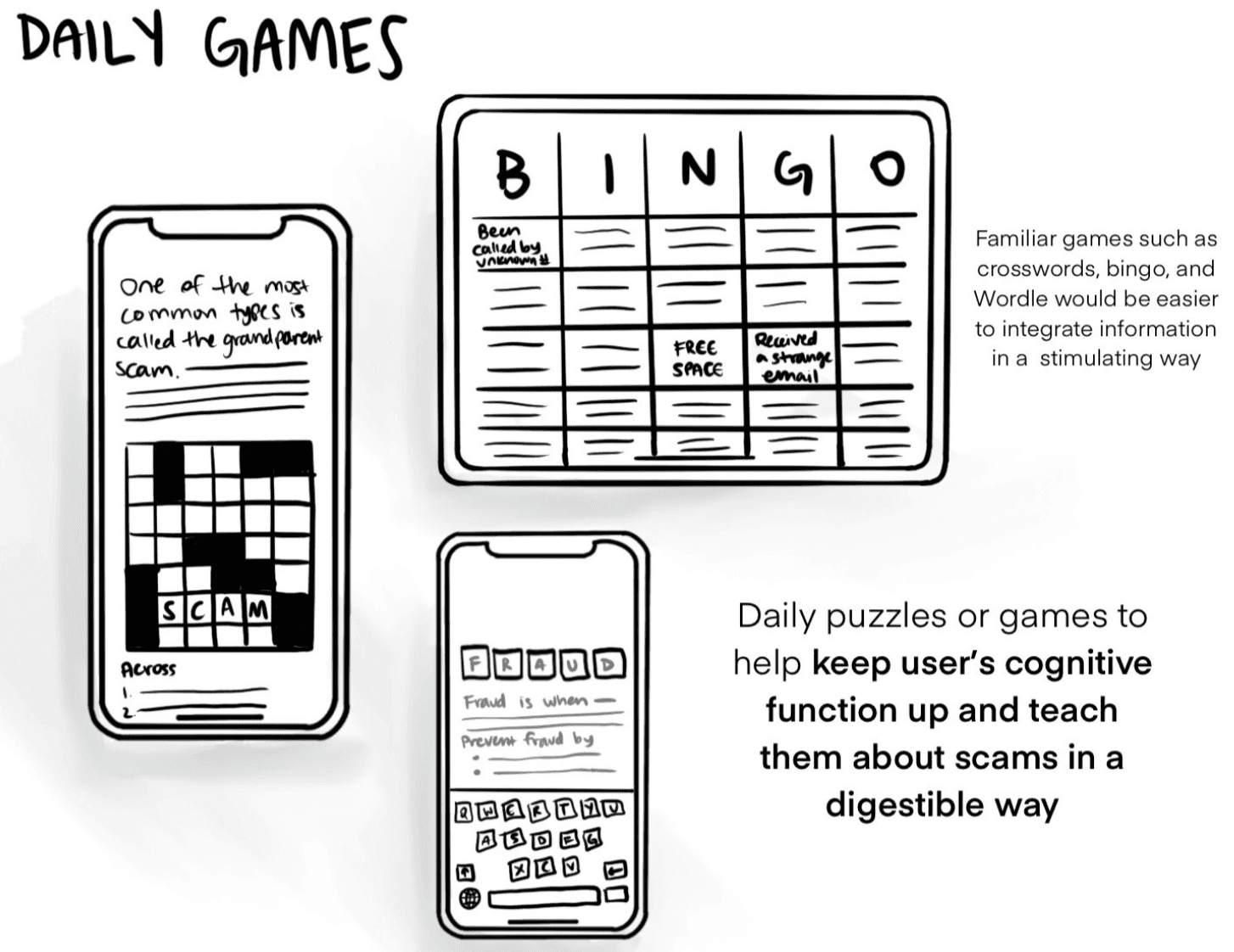
Dual Approach: Prevention and Education
A comprehensive safety ecosystem that doesn't compromise on either and keeps users updated with the latest scam tactics.


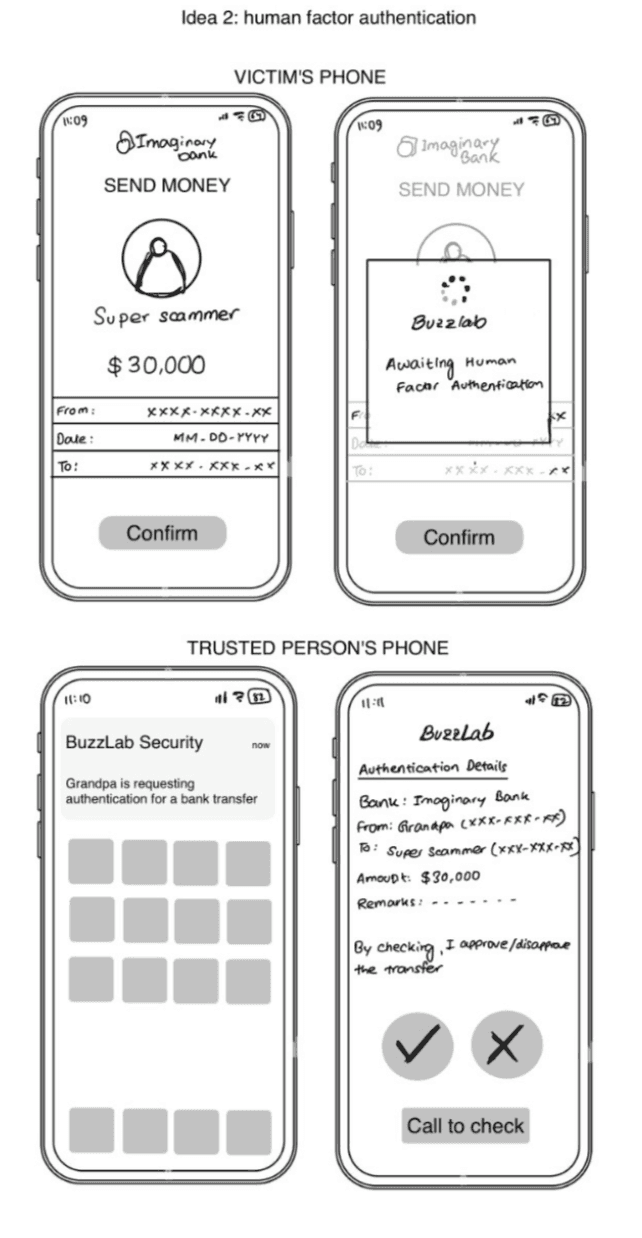
The Human Factor Authentication
When suspicious activity occurs—like a high-value transfer or installing unknown software—a trusted contact is notified and can intervene before the damage is done.
Tips to Help Users Take Control of their Digital Lives
The app's Tips section focuses on real-time threats. It delivers bite-sized, jargon-free updates on how to keep yourself safe.

USER RESEARCH
We utilized a wide and deep data collection strategy to understand the emotional landscape of fraud victims.
Each user research method focused on the solving the core issue of user retention.
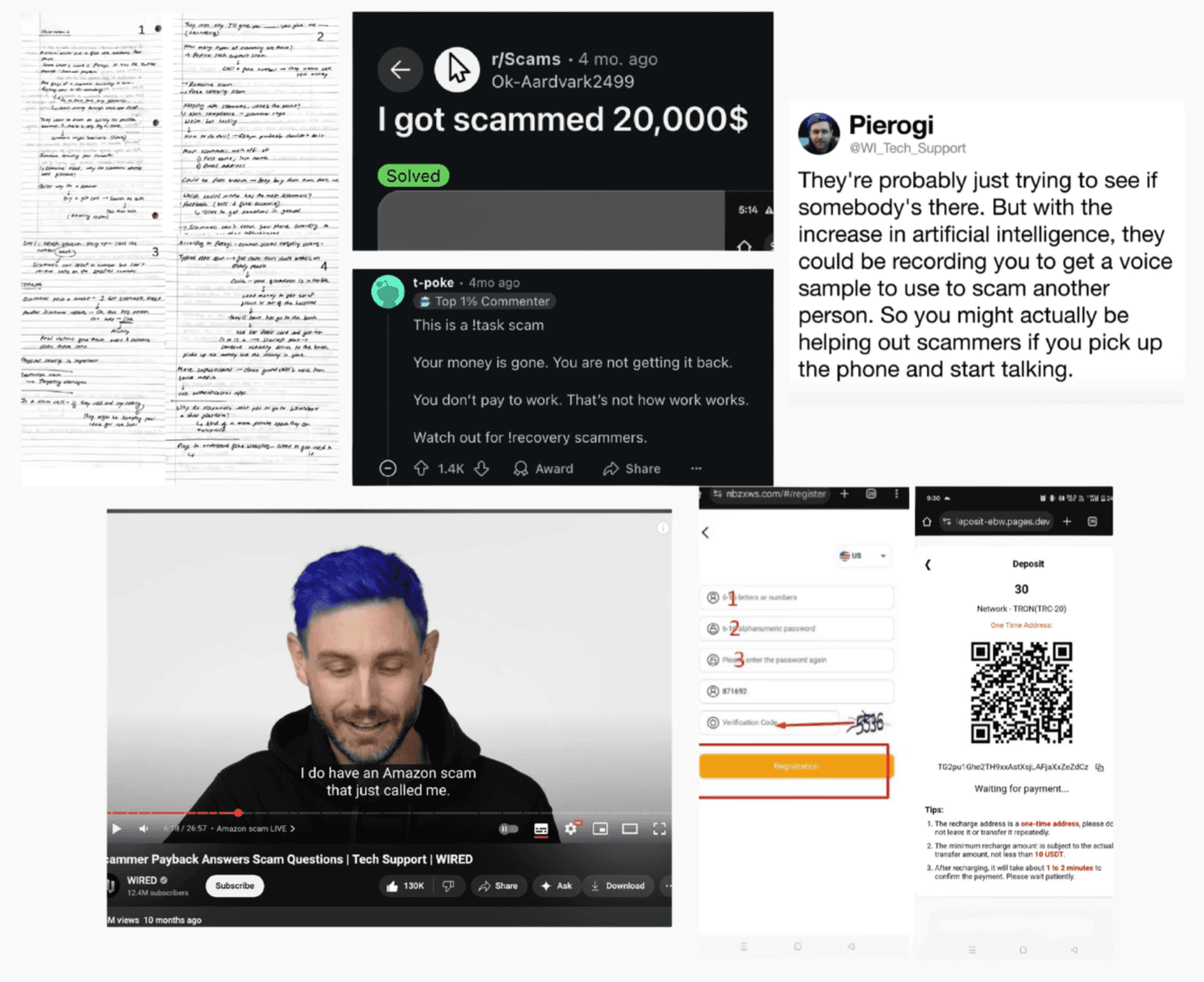
Social media mining of scam recollections from multiple perspectives on Reddit, Tiktok and Youtube
USER RESEARCH | DATA COLLECTION
We spent months interviewing victims and mining social media sites like Reddit and YouTube, and eventually patterns emerged
The data collection process throughout all the research methods was very rigorous and included handwritten notes, hours of social media mining and transcribing interviews
KEY FINDINGS
Our research produced 4 key findings which directed us to our design implications
Shame Silences Victims Our interviews revealed that deep shame and embarrassment often force victims into silence. This under-reporting leads to further social isolation, creating a vicious cycle that makes them vulnerable to future attacks.
Support is Reactive, Not Proactive Older adults rely heavily on "warm experts" (trusted family members) for tech help, but this support typically arrives only after a scam has occurred. Research shows that moving this "active mediation" to before the incident is the most effective defense.
Paywalls or Poor UX The current market fails the user on two fronts: effective tools (like comprehensive security suites) are often locked behind expensive paywalls, while free educational resources are too text-heavy and complex for users with lower digital literacy.
Panic Overrides Logic Our analysis of scam-baiting logs and videos revealed that scammers weaponize false urgency. This forces the victim into a high-anxiety state where critical thinking shuts down, proving that the solution must act as a "pause button" rather than just a firewall.
DESIGN DECISIONS
Based on our research, we baked in the factors that 'work' – like intervention and interruption
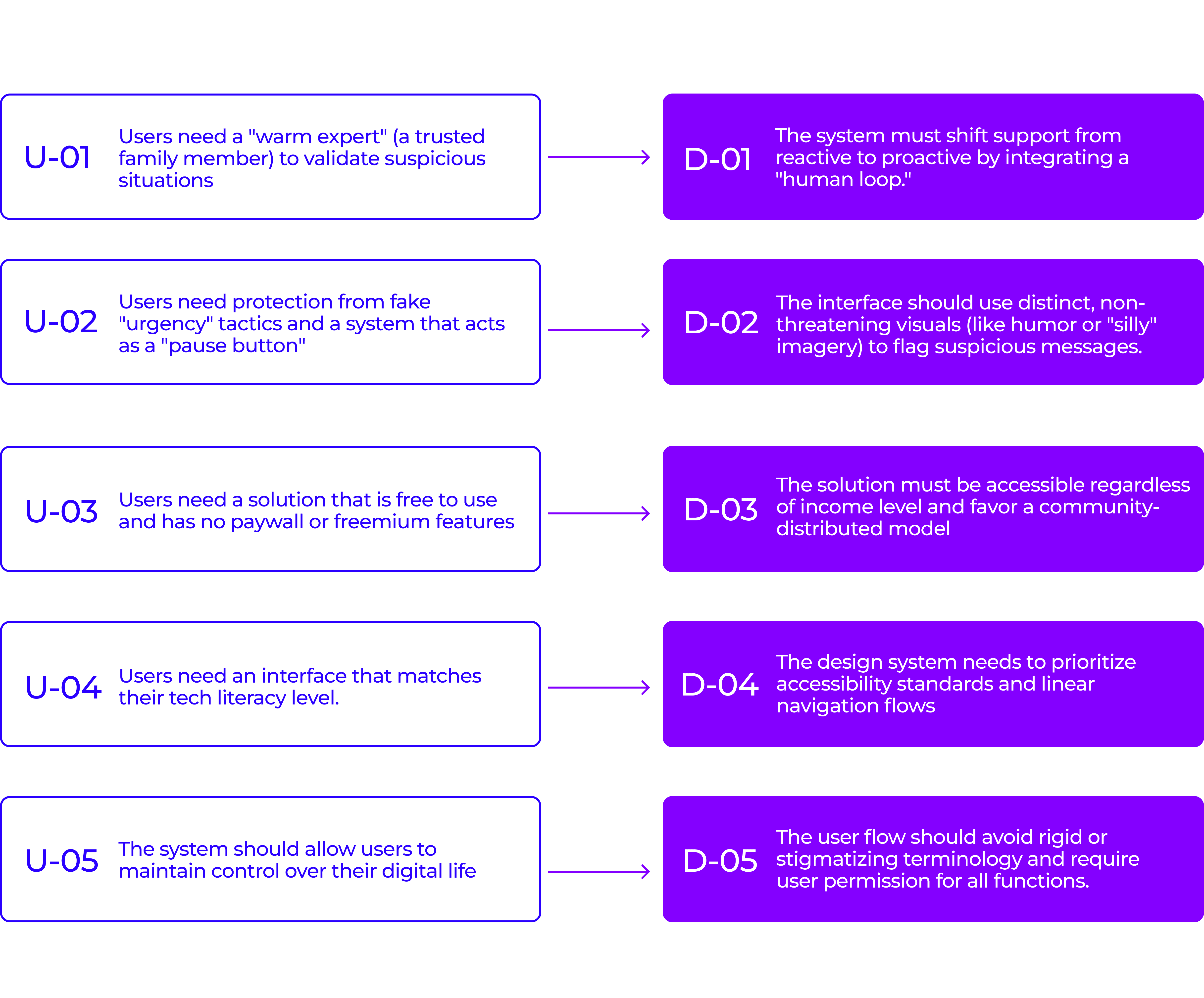
To truly protect older adults, we must shift the burden of security from the isolated individual to their trusted guardians before the damage is done.
BRAINSTORMING
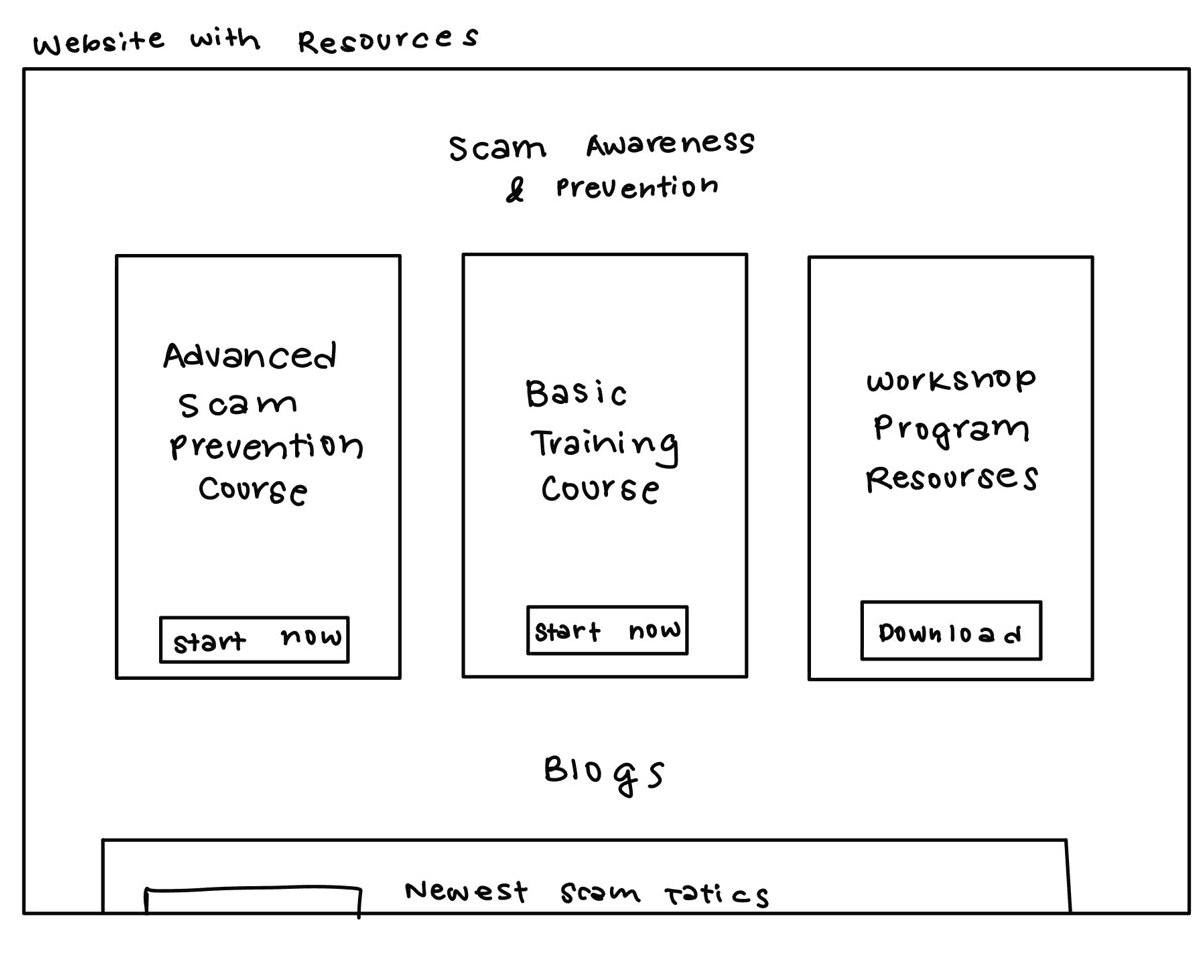
We brainstormed using Crazy 8s and other methods
Here are some of the ideas from the brainstorming sessions that made it to the final solution:
STORYBOARDING
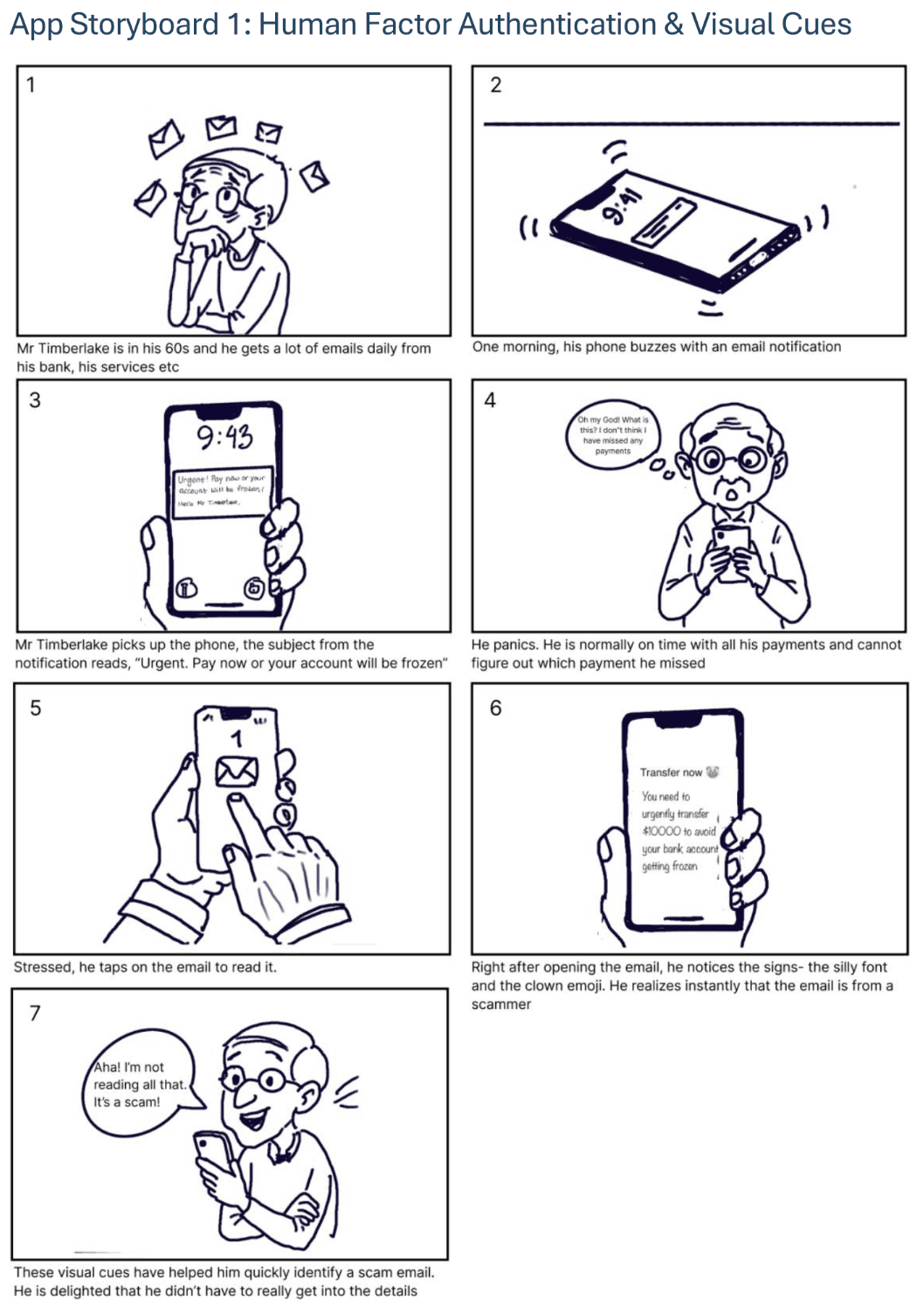
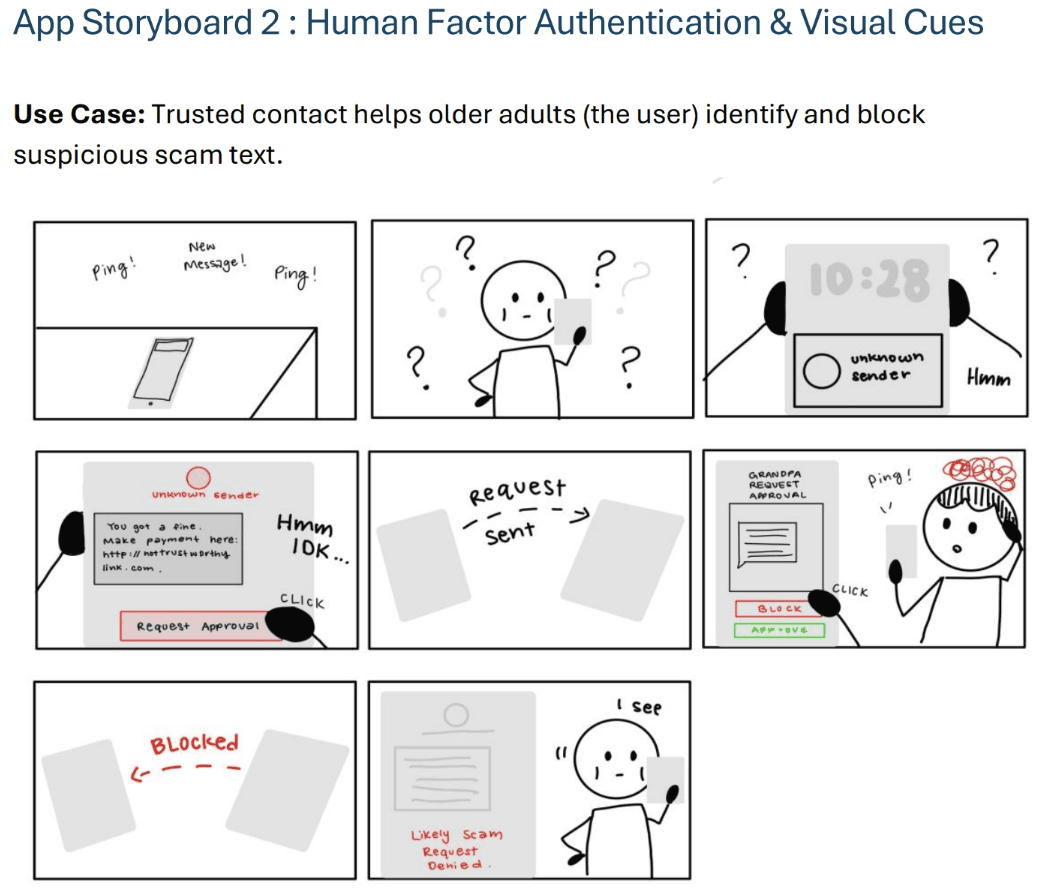
Storyboarding put us in the shoes of the users and emulated real life scenarios of using the app
WIREFRAMING
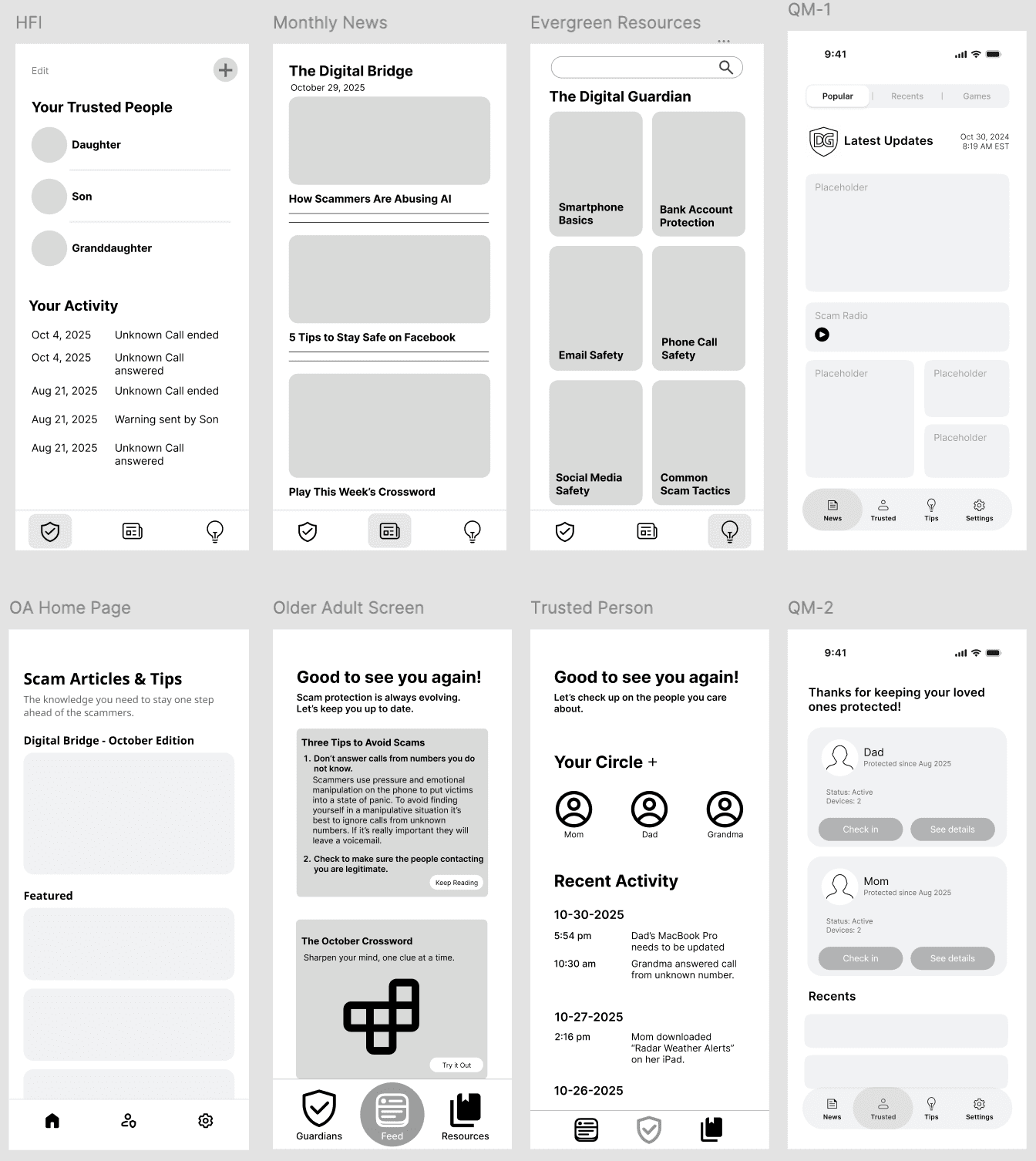
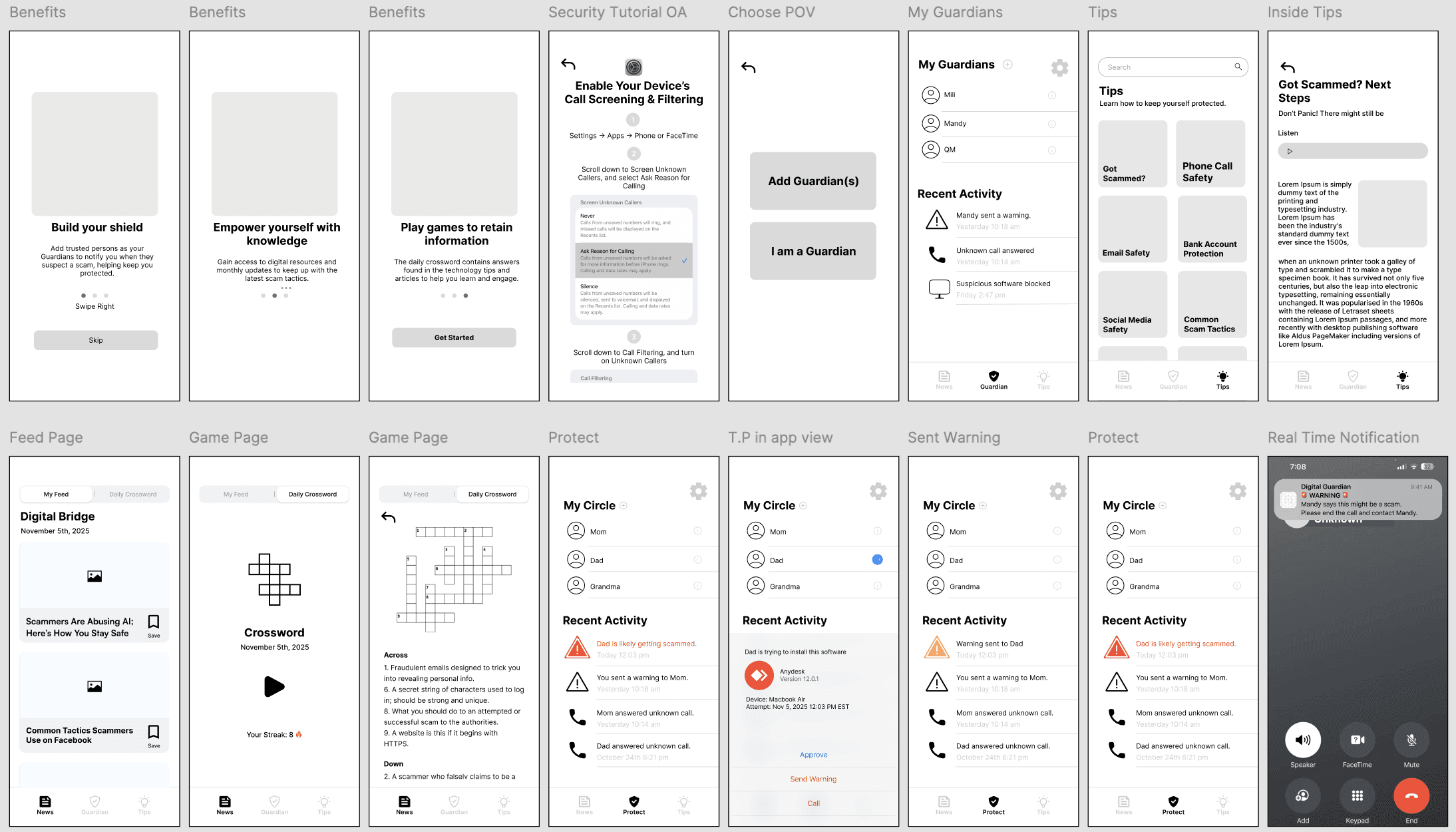
The wireframes were meant to test our concepts and we evaluated them with users
DESIGN SYSTEM
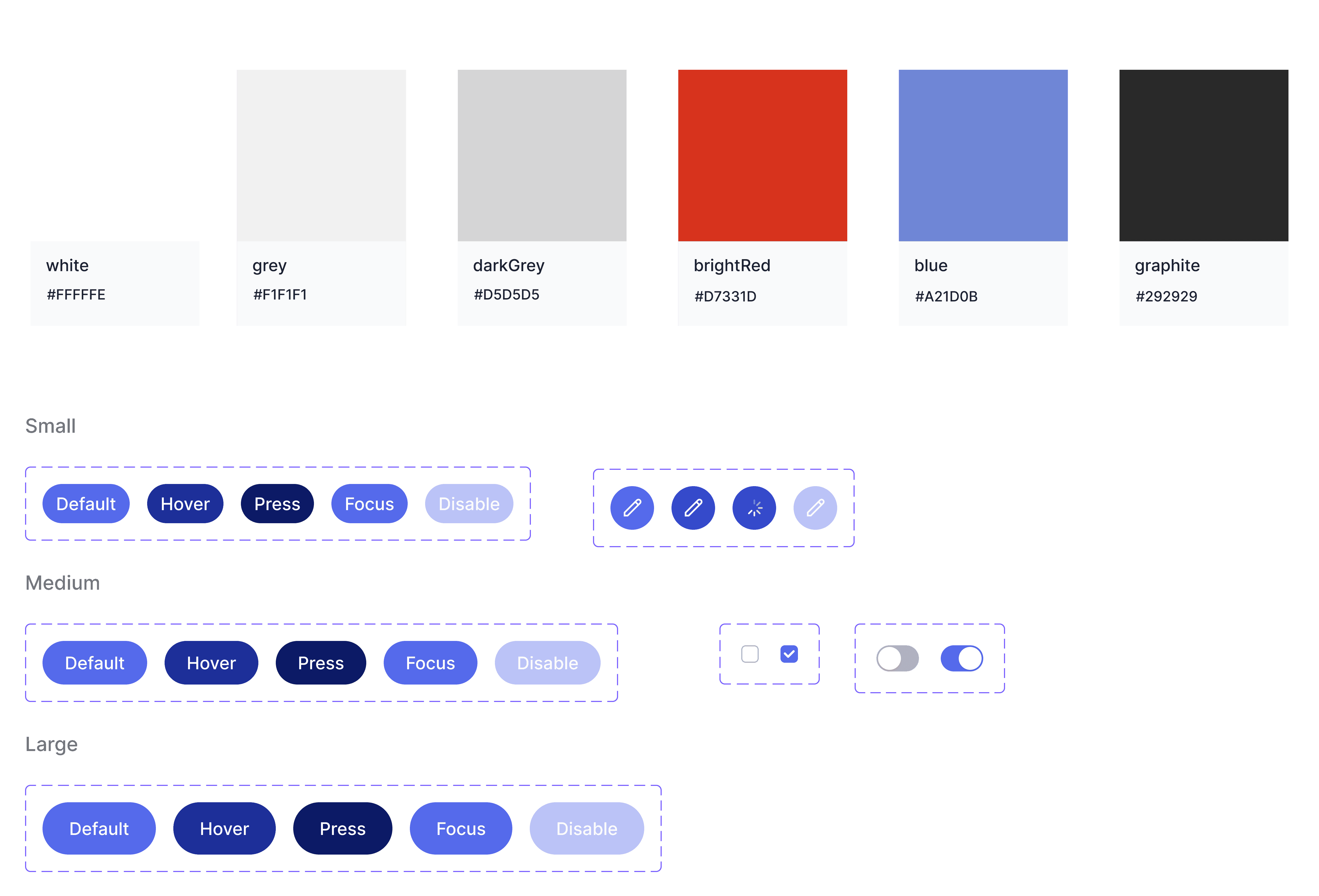
The design system was based on Pursuant's brand colors for familiarity, but had a focus on enhanced user feedback, readable fonts, and general visual hierarchy based on priority
FINAL PROTOTYPE
Based on extensive feedback we received on our wireframes from industry professionals and users, we finalized our high fidelity protototype.
Try out the Figma prototype below:
.
REFLECTIONS
This project
READ NEXT:

Explore the full archive →